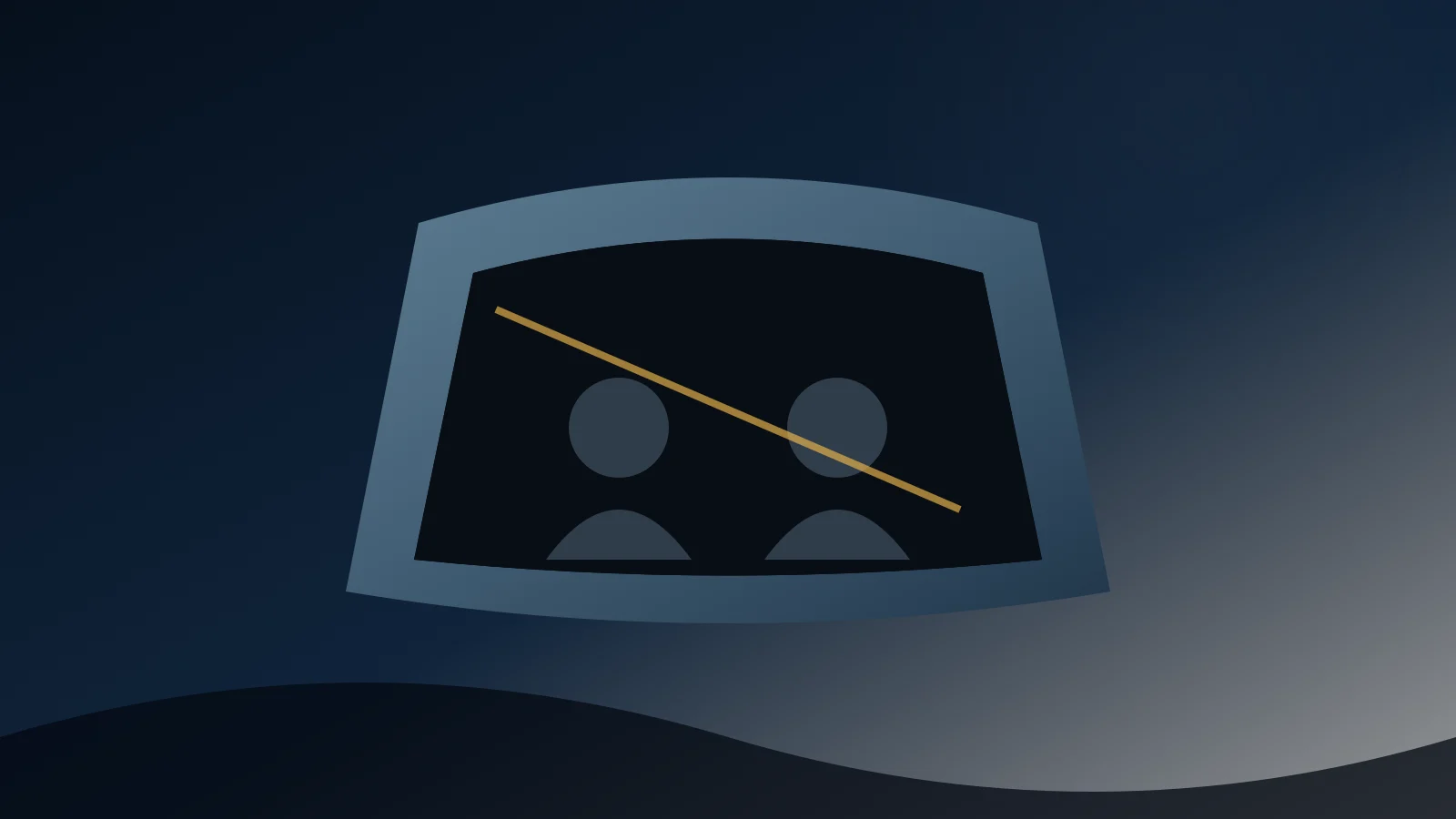
A windshield privacy shade has one simple job: reduce what a person outside the vehicle can see through the front glass while the car is parked. That can make the cabin feel more discreet and reduce casual visual exposure of the dashboard, seats, console, and personal items. It should not be sold as a security system.
Privacy means reducing visibility, not creating invisibility
Visibility into a car depends on lighting, angle, glass tint, reflections, time of day, interior brightness, and the observer's position. An opaque windshield cover blocks the direct front sightline through the area it covers. Gaps around the edges, side windows, rear glass, panoramic roofs, and open doors remain separate visibility paths.
That is why SunShieldCars uses the phrase parked-vehicle privacy. It is specific, understandable, and does not imply more than the product can do.
Windshield shade versus window tint
Tint is applied to the glass and remains in place while driving, subject to local laws and vehicle requirements. A windshield privacy shade is removable and should only be used while parked. These are fundamentally different products.
Tint can reduce glare, solar energy, and visibility depending on film specifications and legal limits. A removable shade can be fully opaque because it is removed before driving. That makes it useful for privacy when parked without requiring a permanent change to the windshield.
Why black cabin-facing material feels more private
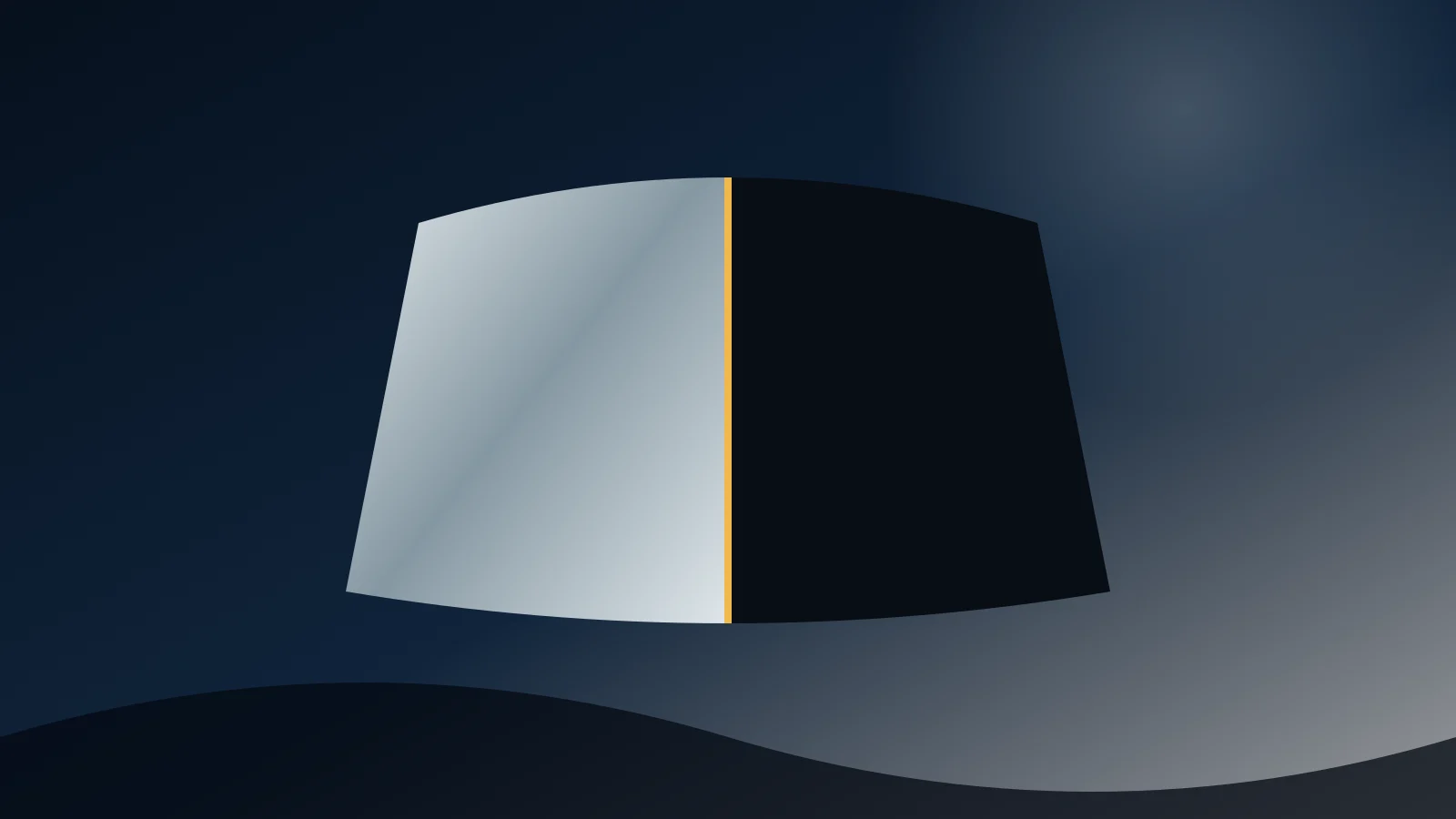
A dark interior-facing surface absorbs visible light and avoids bright reflections toward the cabin. It can also look more integrated with common dashboard and headliner colors. This is one reason a two-sided product can work well: reflective toward the sun, black toward the occupants.
For customers who prioritize low bulk and privacy over maximum reflective heat performance, a blackout textile such as SunShield Privacy Basic can be the simpler construction.
Privacy does not equal theft prevention
A shade can conceal some visual information from casual passersby, but it cannot stop forced entry, lock the vehicle, track valuables, or replace ordinary security practice. Avoid leaving valuables visible or unsecured, lock the vehicle, and follow the security guidance relevant to your location.
This distinction matters for trustworthy product positioning. “Makes it harder to see through the front windshield” is a visibility claim. “Prevents theft” would require evidence the shade cannot provide.
What full-cabin privacy would require
Drivers using a parked vehicle for rest, work, camping, changing, or temporary privacy may want more than a front windshield shield. A true privacy kit needs to address side glass, rear glass, and sometimes panoramic roof glass.
That creates a natural product expansion path for SunShieldCars: front shield first, then vehicle-specific side-window and rear-glass modules designed around safe parked use. The system should still be easy to remove and store before driving.
Fit is part of privacy
Privacy is only as strong as the uncovered sightlines. A shade that is too narrow can leave vertical gaps near the A-pillars. A shade that sags below the mirror can expose the upper dashboard. A bulky mirror housing can create a large opening if the shade has only a generic slit.
For this reason, privacy buyers should care about windshield fitment just as much as heat-focused buyers do.
When a privacy-first shade makes the most sense
- You regularly park in public locations and want to reduce casual front-cabin visibility.
- You value compact storage and soft foldability.
- You prefer a dark cabin-facing appearance.
- You want a removable solution instead of a permanent windshield treatment.
- You understand that side and rear windows remain separate privacy zones.
The strongest privacy claim is the most precise one
A trustworthy automotive-accessory brand does not need exaggerated language. Windshield privacy is useful on its own: cover the front sightline, reduce casual visibility, create a more discreet parked cabin, fold the product, and remove it completely before driving.
If you need privacy and heat management together, compare a blackout construction with a reflective two-sided construction in our material guide.