“Fits my car” sounds simple until you look closely at a modern windshield. The glass may taper sharply toward the roof, curve at the corners, meet a deep dashboard at the base, and carry a large mirror-and-camera housing in the center. That is why SunShieldCars treats fitment as a measurement problem, not a marketing phrase.
The five measurements that matter most
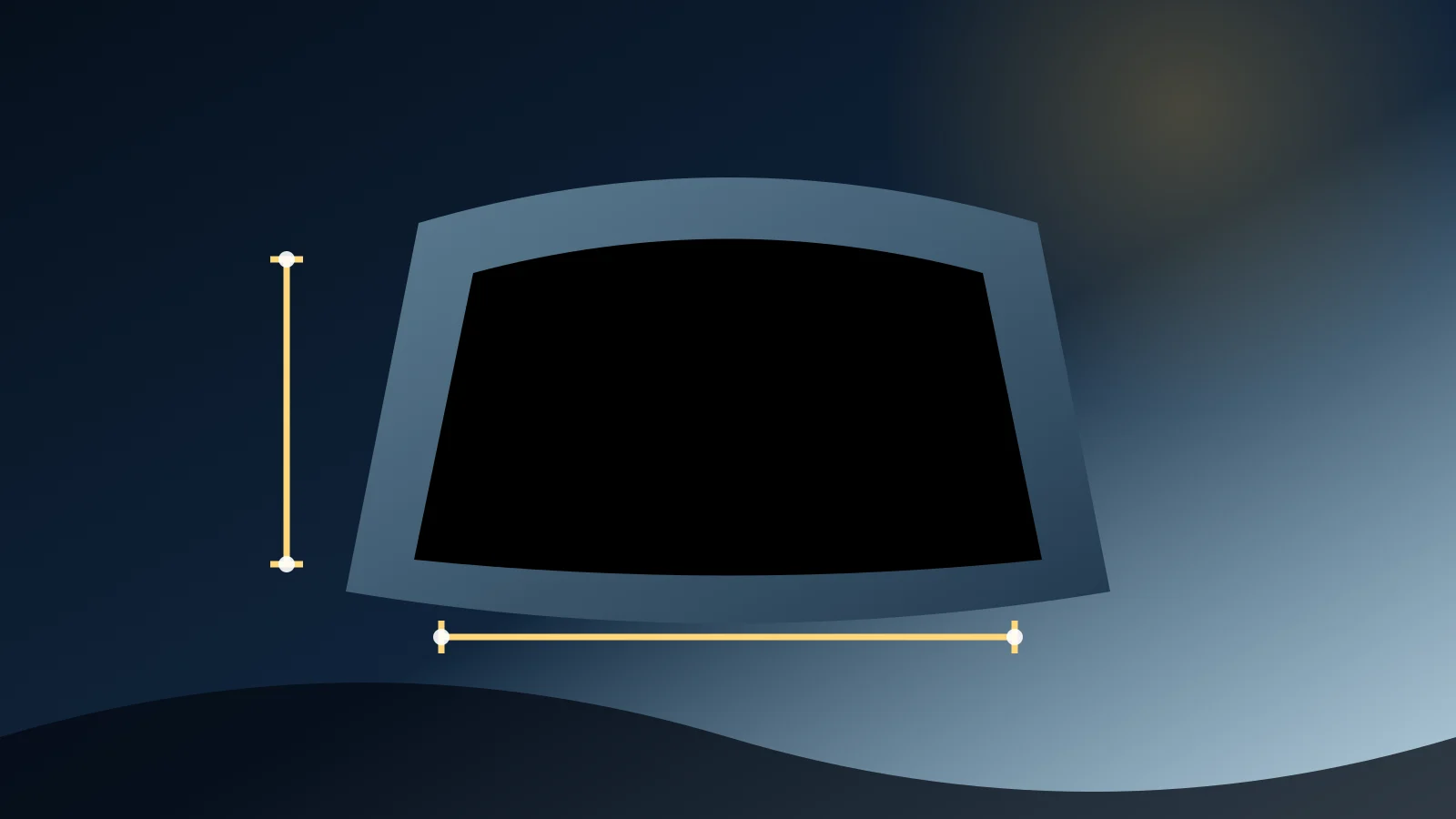
- Maximum interior glass width. Measure the usable width across the inside of the windshield, not the vehicle's exterior body width.
- Center height. Measure from the lowest usable glass area above the dashboard to the upper interior edge near the headliner.
- Top width. Many windshields taper. The top usable width can be meaningfully narrower than the base.
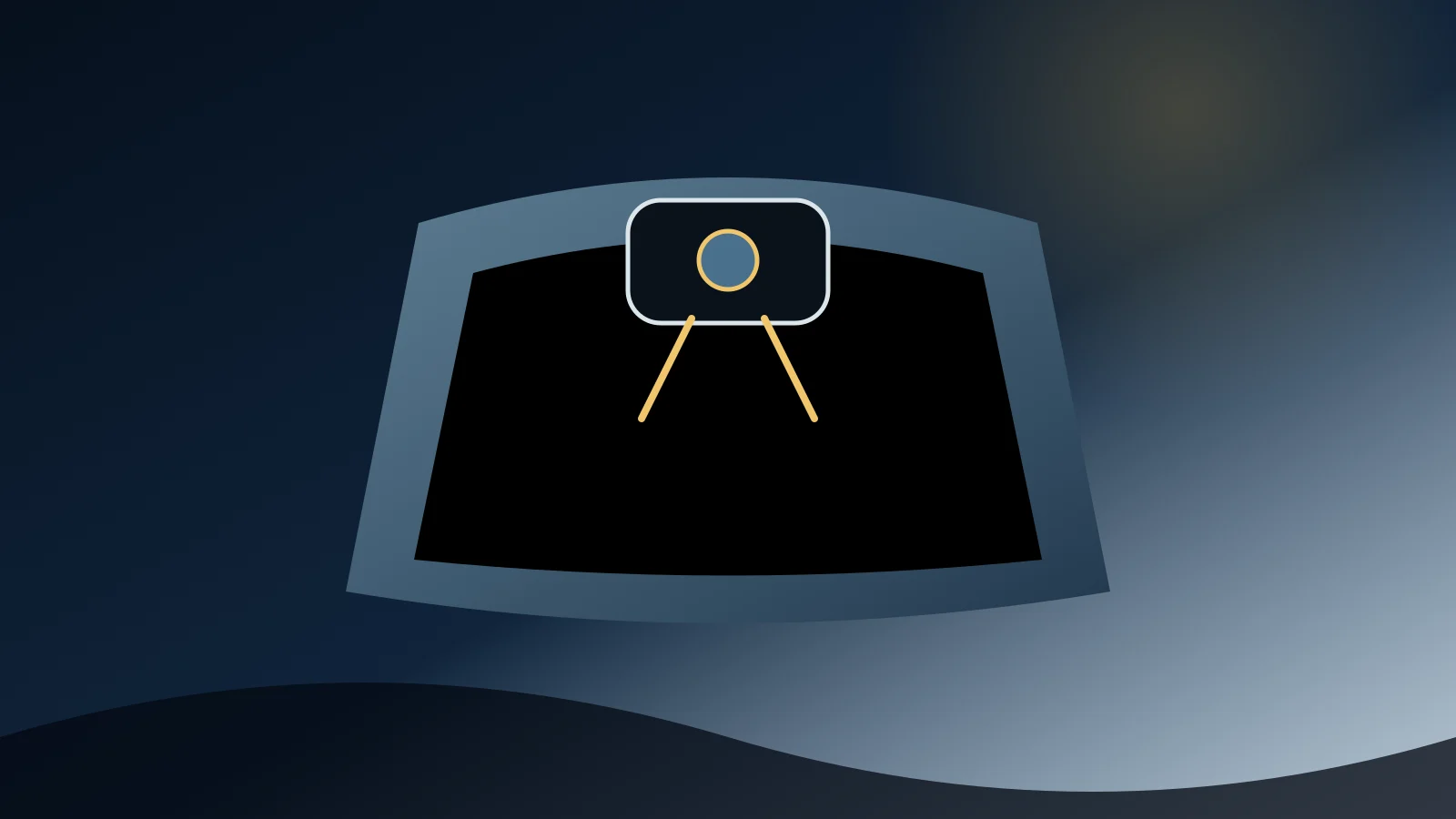
- Mirror and sensor zone. Record the width and height of the rear-view mirror mount, ADAS camera housing, rain sensor cover, and any related trim.
- Dashboard clearance. Note how the windshield meets the dashboard, including speakers, defroster vents, HUD openings, cameras, phone mounts, or other accessories.
Measure the inside surface where the shade will actually sit
A windshield's exterior dimensions can differ from the usable interior area because of pillars, trim, seals, dashboard overlap, and curvature. A shade installed inside should therefore be measured against the inside surface and its real obstructions.
Use a flexible tape measure where possible. Do not force a metal tape against delicate trim or sensor housings. If the windshield curves strongly, measure the straight-line width for the shade design and separately note the curvature so the product can be allowed to flex.
Do not ignore the center mirror and ADAS housing
Many current vehicles place forward-facing cameras, rain sensors, light sensors, or other driver-assistance hardware near the rear-view mirror. A shade that simply cuts a narrow slit for the mirror may collide with a much larger plastic camera enclosure.
Measure the entire housing, not only the mirror stalk. Record its maximum width, how far it extends downward from the headliner, and whether the shade needs to wrap around it, split around it, or stop below it. Read the vehicle manual before covering any equipment that may require ventilation or visibility while the car is parked.
Our dedicated guide to windshield shades, ADAS cameras, and dashcams explains this zone in more detail.
Universal fit and custom fit are not the same promise
A universal shade is designed to cover a range of windshields. Some extra overlap, folding, or edge gaps are expected. A custom-fit shade should be cut or shaped for a specific verified glass geometry.
That means a product should not be marketed as custom fit just because a vehicle name appears in a dropdown. The underlying measurements or validated pattern need to exist. SunShieldCars uses three fitment states:
Account for attachments before cutting material
If the design uses suction cups, reinforced tabs, elastic, visor support, or another removable attachment system, the attachment points need their own safe zones. A suction cup placed on a dotted frit band, sensor cover, highly curved corner, damaged tint film, or dirty glass may not hold as intended.
Attachment positions also change the load on the fabric. A very soft textile may need more distributed support than a rigid accordion shade. Reinforced points should be positioned so repeated tension does not tear the edge.
A repeatable measurement workflow
- Park safely, switch the vehicle off, and clean the inside glass enough to see trim boundaries clearly.
- Photograph the full windshield straight on from the front seats.
- Measure bottom usable width, top usable width, and center height.
- Measure the mirror/sensor housing bounding box.
- Photograph and note any dashcam, toll tag, antenna, HUD, phone mount, or aftermarket device.
- Record whether the sun visors can help hold the upper edge without excessive pressure.
- Compare your numbers with the product's verified fit range before ordering.
Why accurate fit improves more than appearance
Coverage affects privacy, direct-sun blocking, attachment stability, and daily setup time. A shade that is too small leaves bright gaps. A shade that is too large can bunch around the A-pillars, interfere with the mirror housing, or require awkward folding every time it is installed.
Good fit should feel deliberate. The shield should cover the intended glass zone, avoid sensitive equipment, stay stable while parked, and come down quickly before driving.
Build a fit record for your vehicle
If you are developing a custom-fit system, save more than three measurements. Build a fit record with vehicle year range, body generation, left- or right-hand-drive considerations when relevant, glass part variations, mirror/sensor photographs, and the final tested pattern revision.
This is how a brand grows from generic sizing into genuine vehicle-specific expertise. SunShieldCars will only label fitment as verified when the underlying pattern or dimensions are confirmed. Until then, use the SunShieldCars fitment guide and measure before ordering.