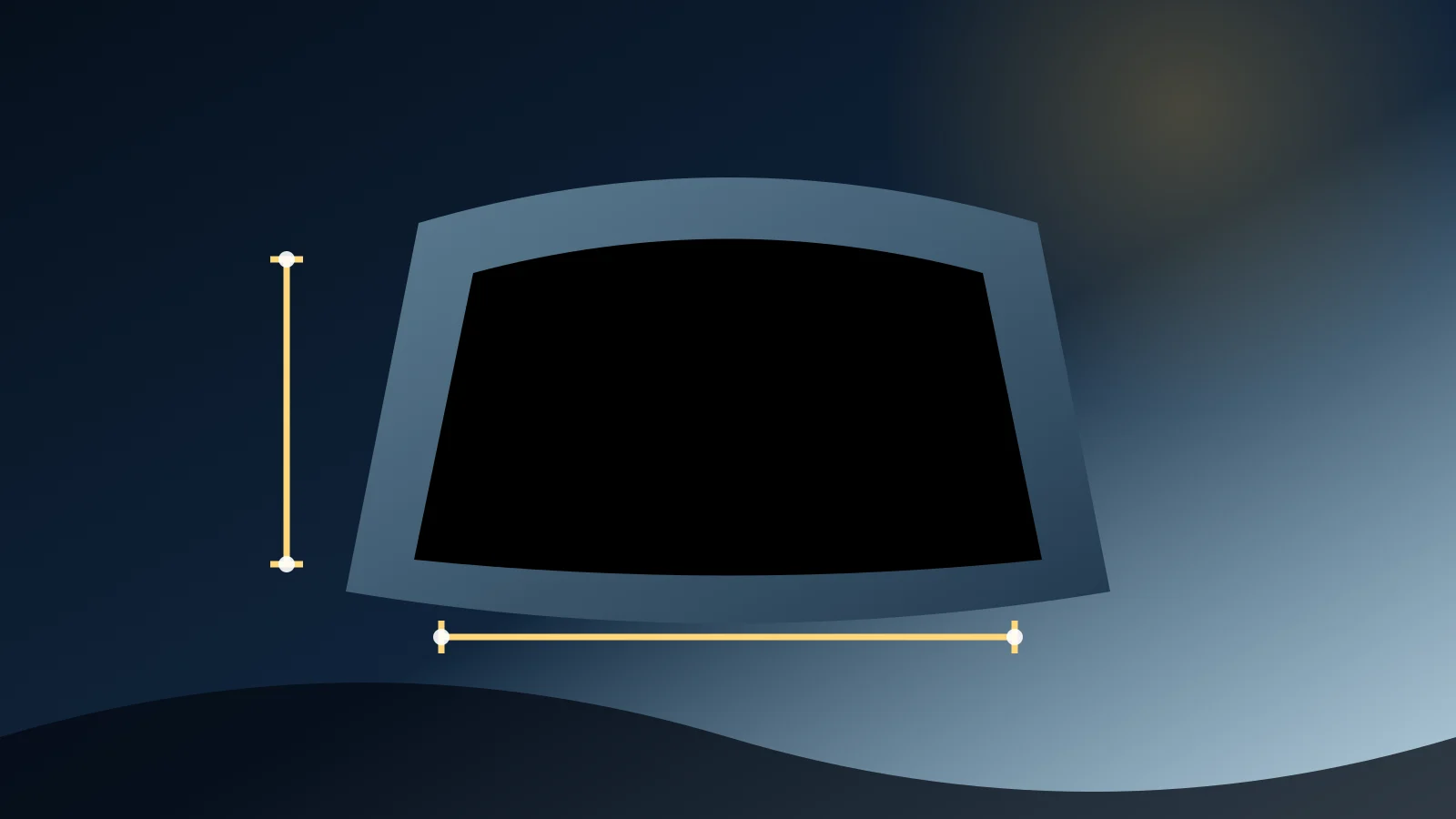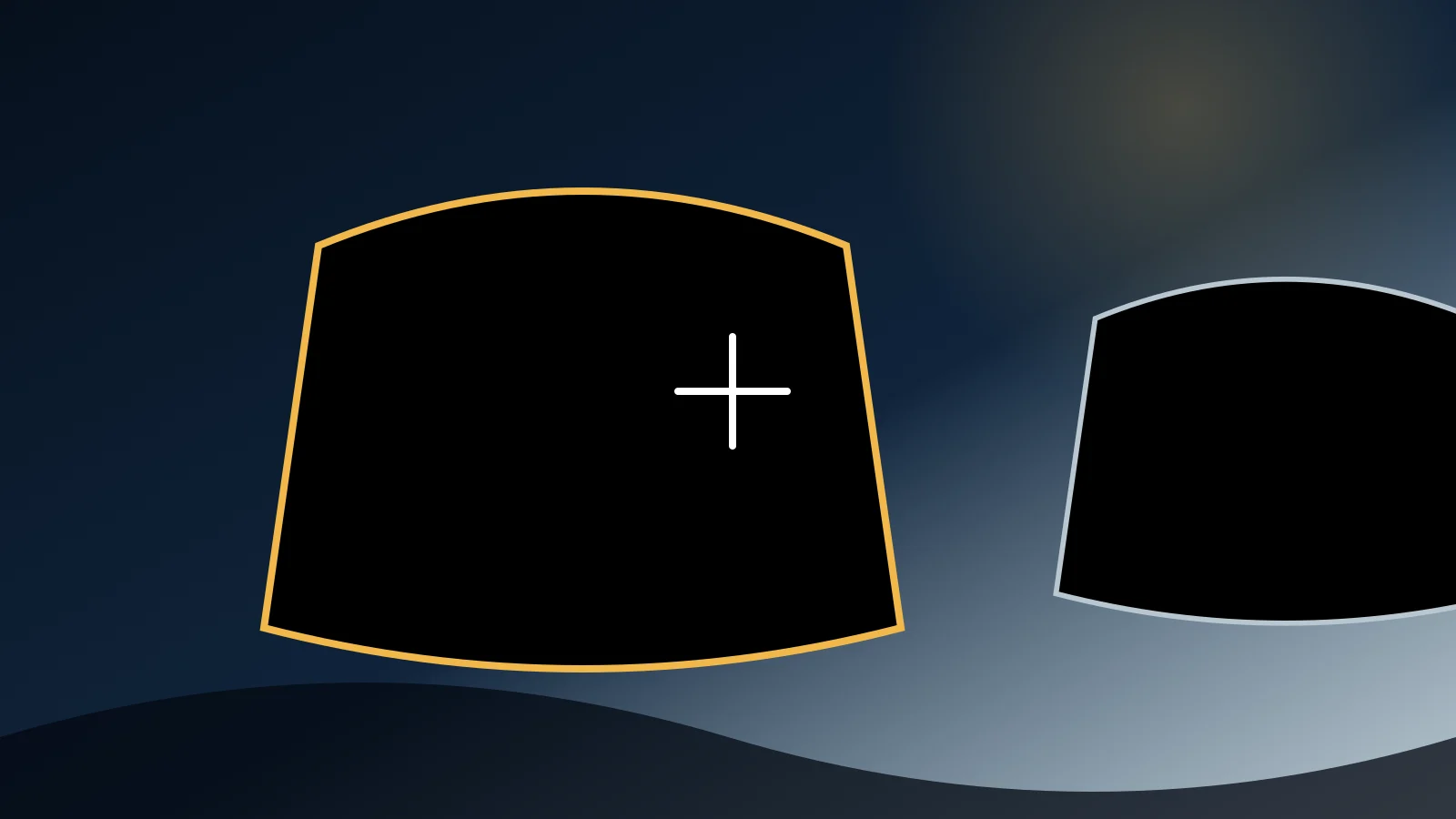
A custom-fit shade is not automatically better than a universal shade. It is better only when the custom pattern is accurate, the material suits the goal, and the extra precision improves coverage or usability enough to justify the cost and storage tradeoff.
What universal fit really means
A universal windshield shade is designed around a size range rather than one exact windshield. It may use flexible material, overlapping sections, adjustable edges, or standard dimensions such as small, medium, and large.
The strength of universal sizing is simplicity. A retailer can stock fewer SKUs, customers can buy without a complex fit database, and a flexible shade can work across several vehicles. The weakness is predictable: edge gaps, extra material, awkward mirror cutouts, or incomplete coverage are more likely.
What custom fit should mean
Custom fit should mean the product geometry is based on verified information for a particular windshield or vehicle generation. That can include tested measurements, a physical template, a reliable glass dataset, or a proven digital pattern.
Simply adding a car make and model to a dropdown does not create a custom fit. The pattern still has to account for taper, center height, mirror/sensor housing, dashboard interface, and potentially equipment variations within the same model year.
Coverage: where custom fit can win
More complete coverage can improve both privacy and reduction of direct sunlight. A well-cut shade reaches closer to the usable glass perimeter without needing large folds. It can also shape around the center mirror/camera housing instead of leaving a generic rectangular gap.
But a pattern that is too precise can become difficult to install. Real vehicles have manufacturing tolerances, trim changes, owner-added devices, and different mirror packages. A practical custom fit needs intentional clearance.
Storage: where universal can win
Soft universal fabric may fold into a very small pouch. A vehicle-specific rigid board or multilayer accordion design may store larger. For a compact city car with limited cabin storage, that difference matters every day.
When comparing products, ask for folded dimensions, not only deployed dimensions. The product spends more time stored than installed.
Price and replacement
Universal shades are generally easier to manufacture at scale because one SKU covers multiple vehicles. Custom-fit products require more patterns, inventory complexity, quality control, and fitment data. That can justify a higher price when the customer genuinely receives better coverage and convenience.
Replacement is also simpler with a universal size. With custom fit, the brand should keep pattern records so the customer can reorder the correct revision later.
Which buyer should choose which?
Beware fake fitment confidence
Large compatibility lists can look authoritative while hiding weak data. A trustworthy brand should be comfortable saying “measure to confirm” when the pattern has not been validated. That protects the customer and improves the fit database over time.
SunShieldCars uses the fitment guide to make this distinction visible instead of claiming universal certainty.
Custom fit is a process, not a label
The strongest custom-fit program combines measurement discipline, sensor documentation, pattern revision, material behavior, attachment testing, and real vehicle verification. That creates a long-term data asset for the brand and a better product for the driver.
If you are measuring a vehicle now, use the full windshield measurement procedure before selecting the final construction.