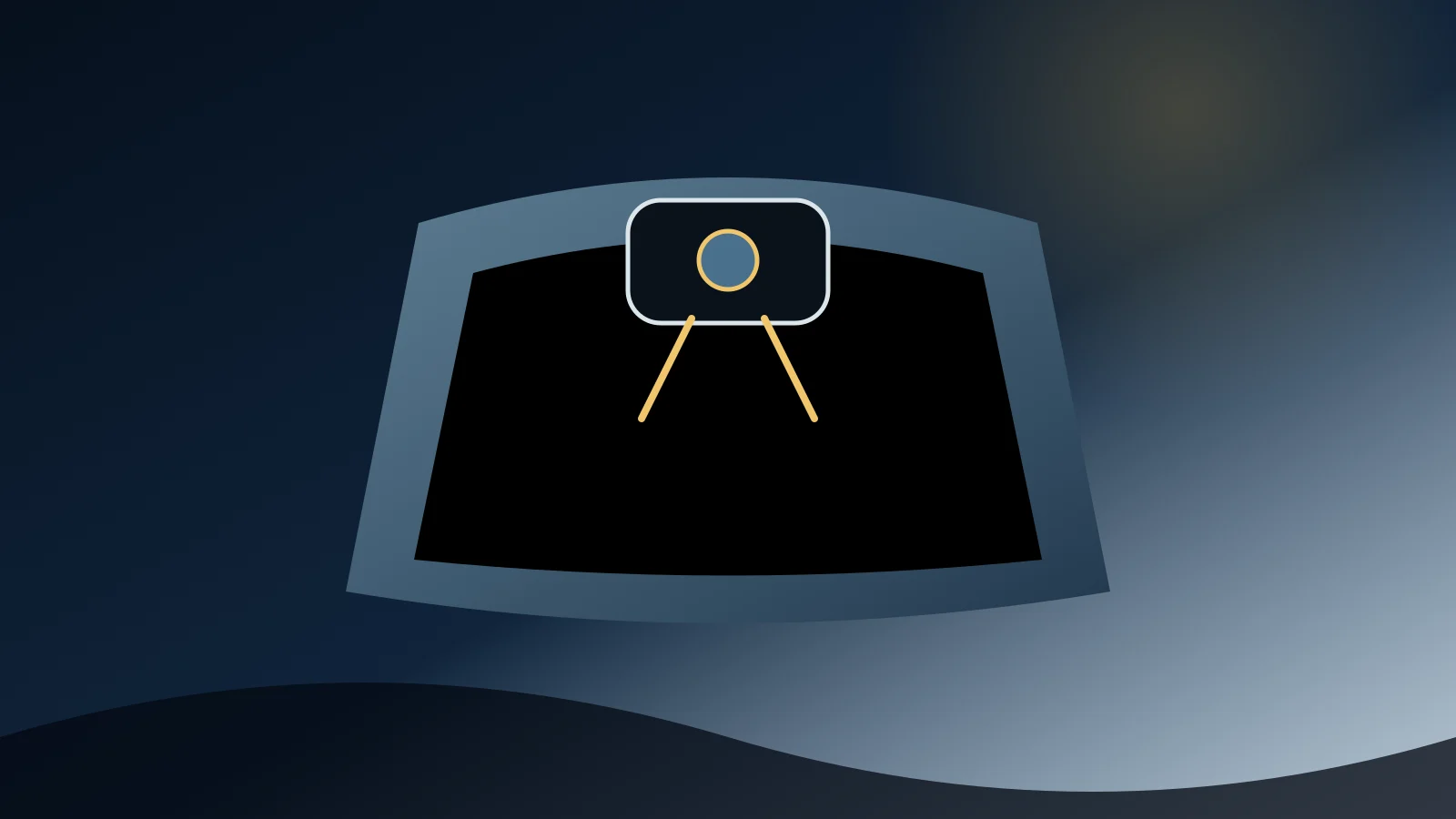
Older sun shades could often treat the rear-view mirror as the only obstruction in the windshield. Modern vehicles are different. The area around the mirror may contain forward-facing cameras, rain and light sensors, lane-support equipment, driver-assistance hardware, antenna elements, and substantial molded trim. Add a dashcam or toll tag and the geometry becomes unique.
Why the mirror cutout is now a fitment zone
A traditional shade may use a vertical slit or a small notch that closes around a mirror stalk. On a vehicle with a large ADAS housing, that approach can create bunching, pressure, gaps, or a cutout so large that meaningful shade coverage is lost.
A better custom-fit pattern maps the entire center equipment zone: width, depth, lower edge, shape, and how the shade will open around it. The goal is not to press fabric tightly against every device. The goal is stable coverage with appropriate clearance.
Start with the vehicle manual
SunShieldCars cannot provide a universal rule for covering or touching sensor housings because the equipment varies by manufacturer and model. Consult the owner's manual for any warnings related to the windshield camera area, sensor ventilation, lens obstruction, calibration, or windshield-mounted accessories.
Do not insert hooks, clips, magnets, adhesive pads, or suction cups onto a sensor cover unless the vehicle or accessory manufacturer explicitly allows it. A removable shade should attach to safe glass or supported trim zones defined by the product design.
Dashcams create a second design problem: heat and visibility
A dashcam may remain mounted while the vehicle is parked, may use parking mode, or may be removed depending on the setup. A windshield shade can sit in front of the camera, behind it, or be cut around it. Each arrangement changes the camera's view and the amount of solar exposure it receives.
If a dashcam needs to record while parked, a fully opaque shade across its lens defeats that function. A fitted cutout may preserve the camera's sightline but creates a small opening in the shade. The right answer depends on which function matters more for that driver.
Toll tags and stickers should not drive the entire pattern
Temporary or movable accessories are easier to relocate than a factory camera housing. Before cutting a large custom opening around an aftermarket tag, confirm whether that tag can be moved to a different approved area of the glass.
Permanent markings, legal inspection stickers, antennas, and embedded systems require different treatment. The fit record should distinguish factory equipment from aftermarket equipment.
How to document the equipment zone
- Photograph the windshield straight on from inside the car.
- Photograph the mirror/sensor housing from the driver's seat and passenger side.
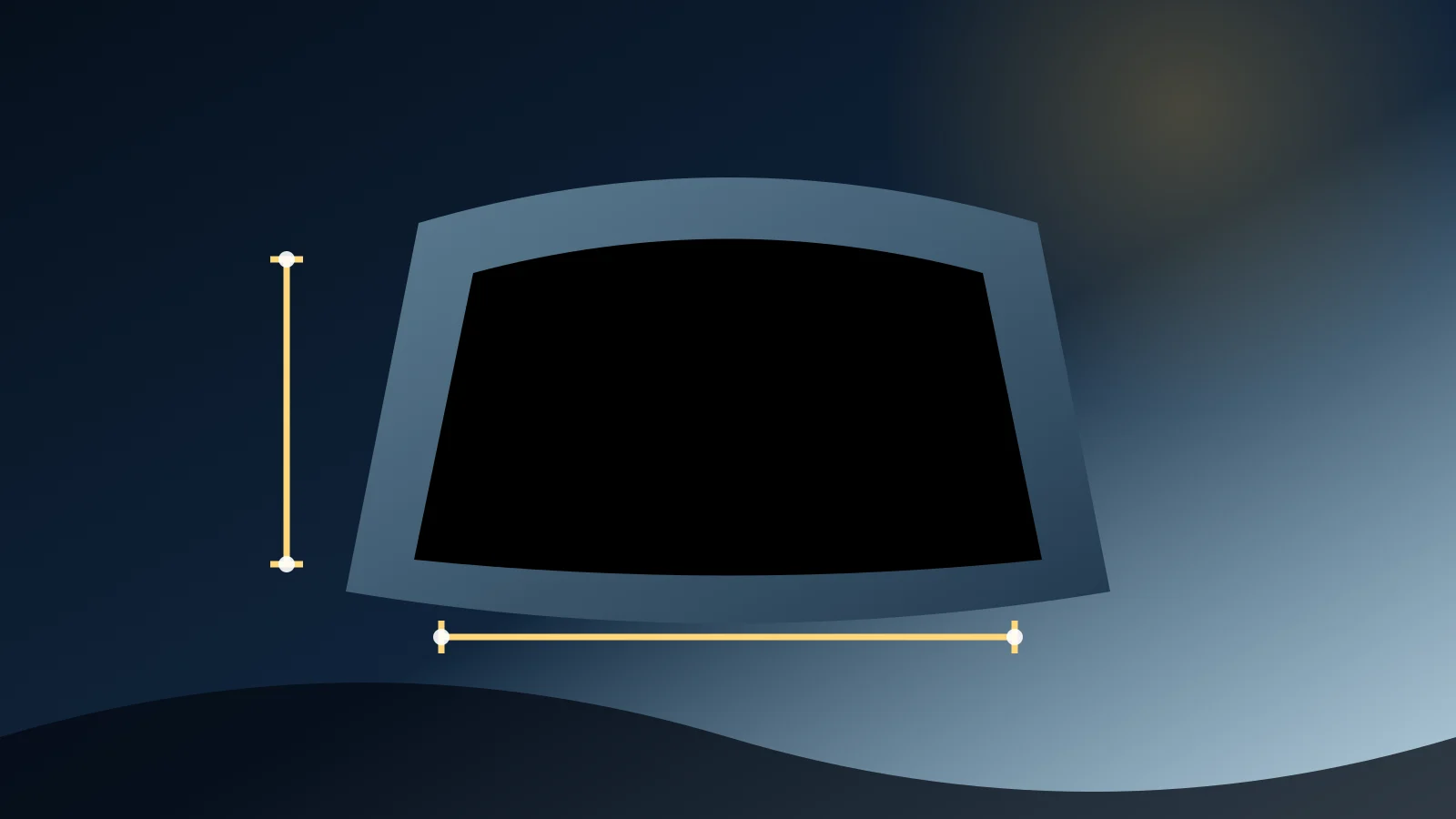
- Measure the maximum housing width and how far it extends downward from the upper trim.
- Measure the mirror stalk or mirror body only if it extends beyond the housing.
- Record dashcam dimensions and whether it must see outside while parked.
- Mark any equipment that must never carry attachment load.
Three pattern strategies
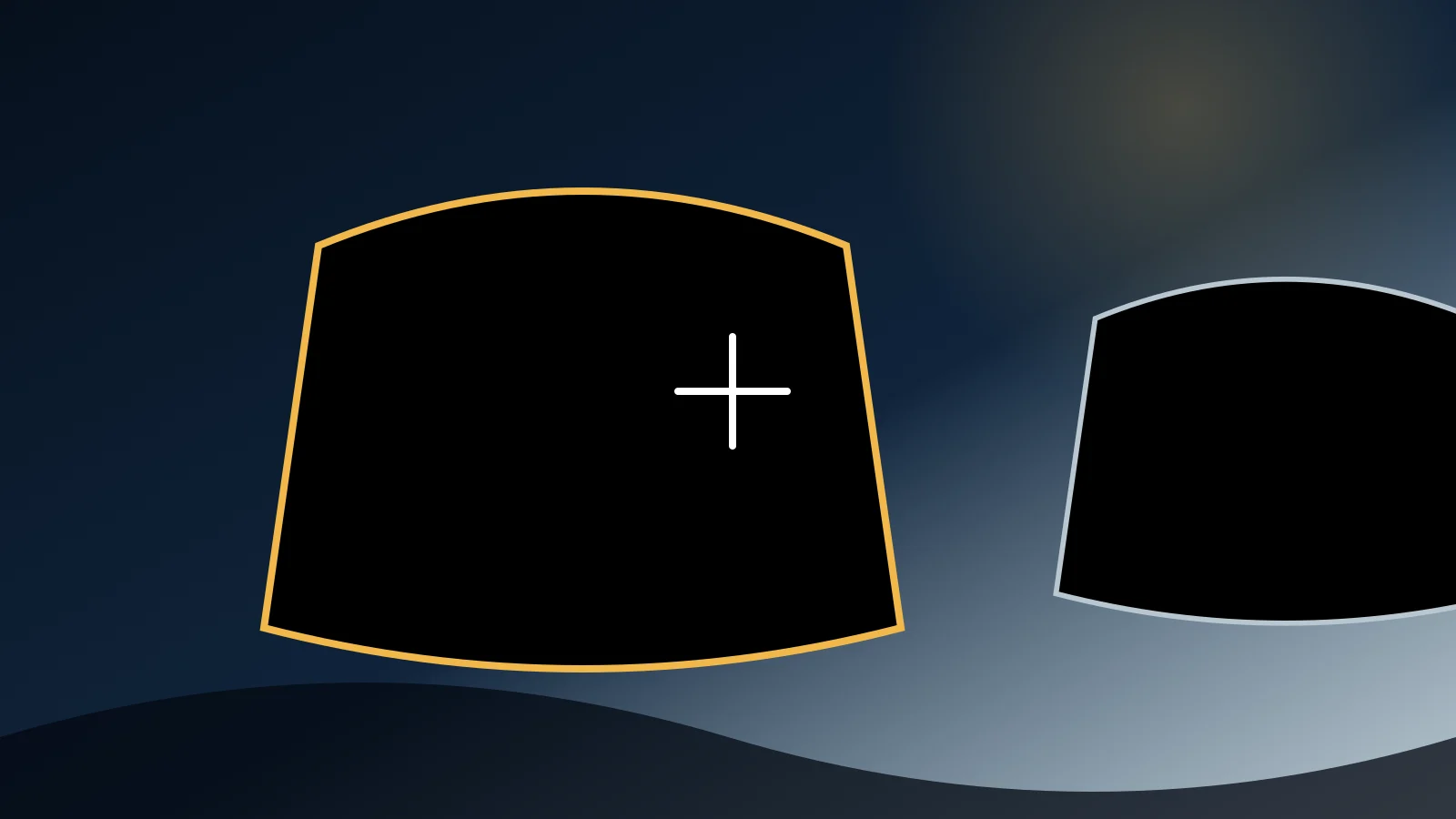
Each strategy changes coverage, folding, attachment, and manufacturing complexity. There is no single best answer across all vehicles.
Do not turn “custom fit” into “custom pressure”
A tight pattern is not automatically a better pattern. If a shade has to be forced behind the mirror, pushed into camera trim, or bent sharply against wiring covers, it is too aggressive. Good fit includes clearance where clearance is needed.
This is especially important for rigid accordion shades and thick insulated designs. A soft textile can conform more easily, but it may need more support to keep its edges from sagging.
Fitment is a database, not a guess
As SunShieldCars expands, the long-term advantage is a verified fitment library: vehicle generation, windshield geometry, equipment package, photos, tested pattern revision, and known exceptions. That is more valuable than simply listing thousands of make/model/year combinations with no proof behind them.
Begin with the complete measurement guide, then choose the attachment method that supports your material without interfering with the equipment zone.