Attachment looks like a small design detail until the shade sags into the dashboard, pulls on a sensor housing, leaves a large gap, or takes too long to remove. The correct attachment method depends on the shade's weight, stiffness, material, fold pattern, windshield geometry, and the surfaces available inside the vehicle.
Method 1: clear suction cups
Suction cups are attractive because they are removable, inexpensive, transparent, and need no permanent modification. They work best on clean, smooth glass with appropriate cup size and material.
The weak point is reliability across heat, dust, glass curvature, aging, and repeated use. A suction-cup design should include reinforced textile tabs or eyelets so the cup does not tear directly through fabric. It should also avoid sensor housings, frit zones, tint-film restrictions, and highly curved glass edges.
Method 2: sun-visor support
Many rigid or semi-rigid shades are held against the windshield by lowering the vehicle's sun visors. This can make setup fast and eliminate separate attachment parts.
The tradeoff is dependence on the vehicle. Visor shape, reach, hinge strength, mirror position, and headliner clearance vary. A heavy shade should not place unusual load on a visor not designed to support it.
Method 3: friction or spring fit
A structured shade can be shaped so its edges press lightly into the windshield perimeter or A-pillar area. This creates a clean, hardware-free installation when the geometry is correct.
Too much pressure can damage trim or make removal frustrating. Too little pressure lets the shade collapse. This approach is therefore better suited to genuinely verified custom patterns than loose universal sizing.
Method 4: elastic straps or loops
Elastic can create adaptable tension around mirror stalks, visors, or safe anchor points. It is lightweight and easy to sew into textile products. Over time, however, elastic can stretch, degrade under heat, or become awkward around modern sensor housings.
Never wrap elastic around a control, mirror mechanism, wiring cover, camera housing, or airbag-related trim unless the vehicle and product design specifically support it.
Method 5: magnets
Magnets can create elegant attachment in products designed around ferrous surfaces or built-in magnetic receivers. A normal windshield, however, is glass, and many surrounding trims are plastic or nonmagnetic. Adding metal plates or adhesive receivers would turn a removable concept into a semi-permanent modification.
Magnets also need careful consideration around electronics and sensors. For a windshield system, they are not the default choice unless the vehicle-specific design provides a safe intended interface.
What SunShieldCars favors
The current development direction favors small clear suction cups or reinforced removable attachment points when the material needs them, while allowing structured custom-fit versions to use geometry and visor support where appropriate.
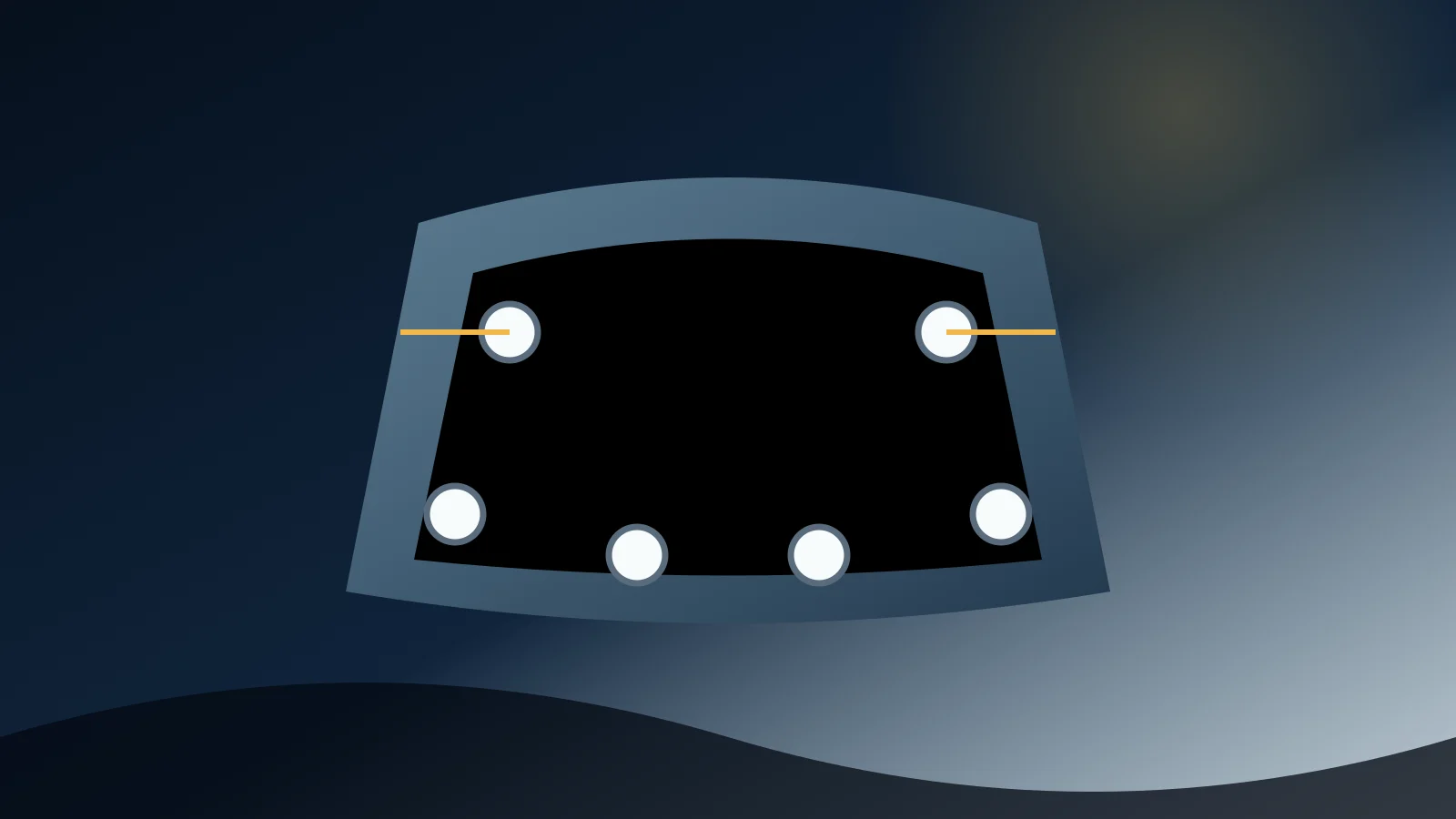
A six-point suction layout has been discussed as a prototype starting point—not as a universal specification. Real testing should determine the minimum number and best position needed for each material and windshield class.
Attachment design should pass five tests
- Hold: the shade stays positioned for the intended parked period.
- Release: the driver can remove it quickly without pulling on fragile trim.
- Repeatability: the attachment survives regular use and environmental exposure.
- Compatibility: it avoids sensors, films, camera housings, and prohibited surfaces.
- Storage: loose parts are captured in the product or pouch rather than scattered around the cabin.
Do not solve a weak attachment by adding endless hardware
More cups, straps, clips, and hooks can make the product feel secure in a prototype but frustrating in daily life. Good engineering reduces the number of actions needed while distributing load intelligently.
Start with the material's natural behavior. A soft textile wants tension. A stiff accordion shade wants edge support. A custom-molded form wants geometric fit. Match attachment to construction instead of forcing one system across every SKU.
Attachment is part of the customer experience
The user should understand where each attachment goes without reading a technical manual in a hot parking lot. Visual markings, reinforced tabs, intuitive symmetry, and a consistent folding sequence turn hardware into a routine.
For the full installation sequence, see the SunShield installation guide. For sensor-heavy vehicles, read the ADAS and dashcam fitment guide.